

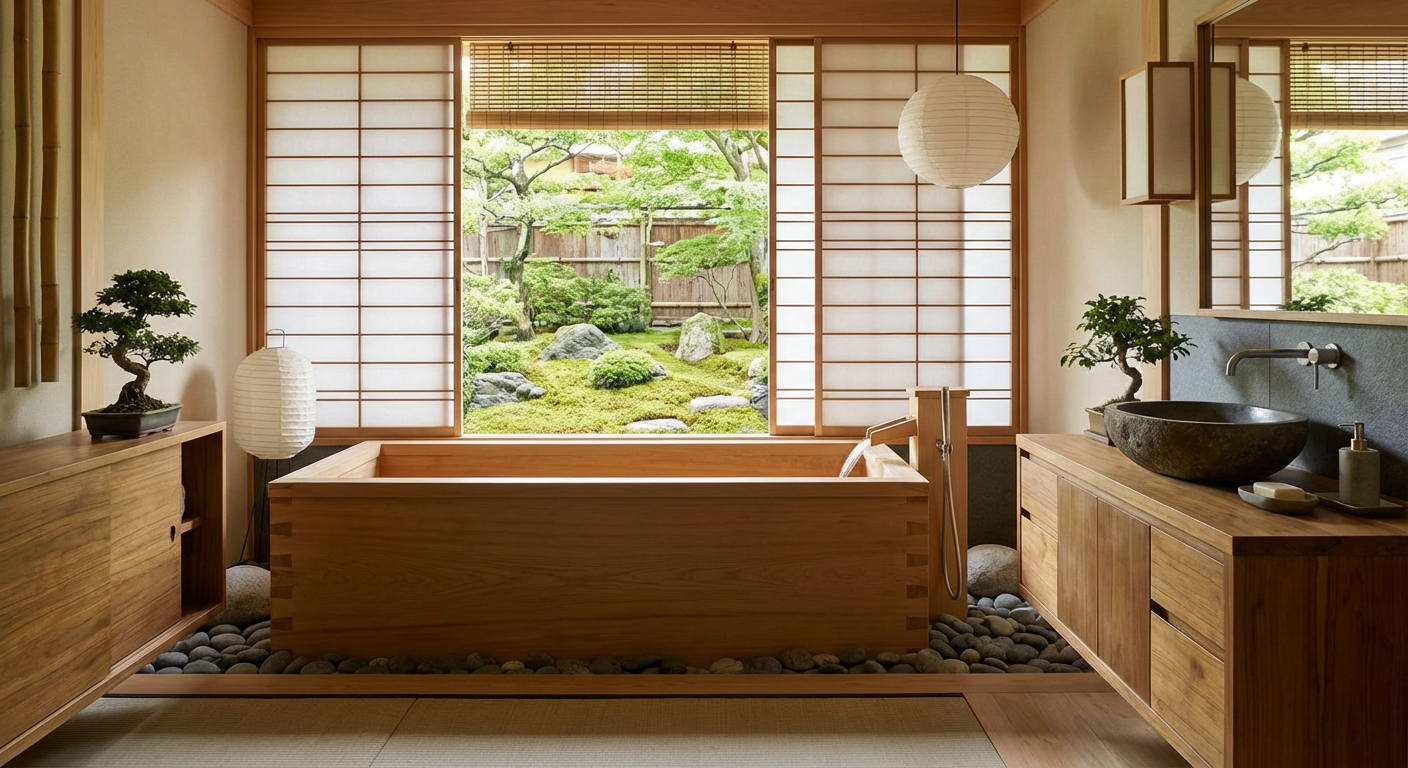
The modern bathroom is no longer merely a functional space for hygiene; it has evolved into a private sanctuary for mental and physical restoration. Among the most popular interior design movements catering to this shift is the Asian-inspired bathroom—often referred to in German design circles as “Badezimmer Asiatisch.” This style draws heavily from Japanese Zen philosophy, Chinese Feng Shui, and Balinese tropical luxury. By focusing on balance, natural materials, and the flow of energy, an Asian-inspired bathroom transforms daily routines into meditative rituals.
The Philosophical Foundation of Asian Design
At the heart of the “Badezimmer Asiatisch” is the concept of Zen. In interior design, Zen manifests as a rejection of the cluttered and the chaotic. Every element within the room must serve a purpose, contributing to an overall sense of harmony (Wa). This approach encourages the use of clean lines, neutral color palettes, and a seamless connection with nature.
Unlike Western bathrooms, which often emphasize high-gloss finishes and industrial fixtures, the Asian aesthetic prioritizes the organic. The goal is to create a space that feels grounded. When you step into an Asian-inspired bathroom, the transition should feel like leaving the noise of the outside world behind and entering a space where time slows down.
Key Elements of the Asian Bathroom
1. The Power of Natural Materials
To achieve an authentic Asian feel, stone and wood are non-negotiable. In Japanese traditions, the scent of Hinoki (cypress wood) is deeply associated with relaxation. While genuine Hinoki can be expensive and difficult to maintain, high-quality teak or bamboo serves as an excellent alternative. These woods are naturally water-resistant and bring a warmth to the room that ceramic tiles cannot replicate.
Stone is equally vital. Whether it is a pebble-floor shower that massages the feet or a slate countertop, natural stone grounds the space. Rough-hewn textures contrasted with smooth surfaces create a sensory experience that is foundational to Asian design principles.
2. The Ofuro: Deep Soaking Tubs
In Western culture, bathing is often seen as a way to get clean. In Japan, however, one cleanses the body before entering the tub; the bath itself is for soaking and reflection. The “Ofuro,” or deep soaking tub, is a hallmark of the Asian bathroom. These tubs are typically shorter and deeper than Western versions, allowing the bather to sit upright with water reaching the shoulders. Modern interpretations include freestanding stone tubs or minimalist acrylic versions that mimic the square shape of traditional wooden baths.
3. Minimalist Fixtures and Clean Lines
The “Badezimmer Asiatisch” avoids ornate decorations. Faucets should be sleek, often featuring waterfall-style spouts that mimic the sound and movement of a natural stream. Wall-mounted vanities help create a sense of “airiness” by keeping the floor clear, which is a key tenet of Feng Shui—allowing energy (Chi) to circulate freely.
Color Palettes and Lighting
The color scheme of an Asian bathroom should be derived from the earth. Think of moss greens, stone grays, sandy beiges, and charcoal blacks. If you wish to incorporate the “Asian Regal” look inspired by Chinese design, you might add subtle accents of crimson or gold, but these should be used sparingly to avoid overwhelming the senses.
Lighting plays a critical role in setting the mood. Harsh overhead lights should be replaced with layered lighting. Shoji-style lanterns or backlit mirrors provide a soft, diffused glow that mimics natural sunlight filtering through paper screens. If possible, maximizing natural light via skylights or floor-to-ceiling frosted windows is ideal, as it connects the interior space with the rhythm of the day.
Bringing Nature Indoors
Biophilic design is a core component of the Asian aesthetic. A bathroom should not feel isolated from the environment.
- Bonsai and Bamboo: These plants thrive in the humid atmosphere of a bathroom and provide a structural, artistic element.
- Indoor Gardens: If space permits, a small rock garden (Karesansui) or a glass-enclosed atrium with ferns can turn a standard bathroom into a high-end spa.
- Natural Scents: Use essential oils like sandalwood, jasmine, or lemongrass to engage the sense of smell, completing the immersive experience.
Practical Tips for Implementation
Creating an Asian-inspired bathroom does not necessarily require a full renovation. Small changes can make a significant impact:
- Declutter: Remove all plastic bottles and unnecessary items. Store toiletries in hidden cabinets or beautiful wooden boxes.
- Texture: Swap standard cotton mats for bamboo slats or river-stone mats.
- Hardware: Replace chrome handles with matte black or brushed bronze fixtures for a more organic, modern look.
The Role of Technology: The Modern Asian Bath
While the aesthetic is rooted in tradition, Asian bathrooms—particularly those in Japan—are technology leaders. The “Washlet” or intelligent toilet is a staple of the modern Asian home, offering heated seats, integrated bidets, and deodorizing functions. Incorporating these hidden technologies allows you to maintain a minimalist look while enjoying the highest standards of comfort and hygiene.
Conclusion
The “Badezimmer Asiatisch” is more than a design trend; it is a lifestyle choice that prioritizes mental well-being. By focusing on the purity of materials, the flow of space, and the quiet beauty of nature, you can transform your bathroom into a sanctuary of peace. In a world that is increasingly fast-paced and digital, having a dedicated space for stillness is the ultimate luxury. Whether through a deep soaking tub, the scent of cedar, or the simple sight of a single orchid against a stone wall, the Asian bathroom invites us to wash away the stress of the day and reconnect with ourselves.
