

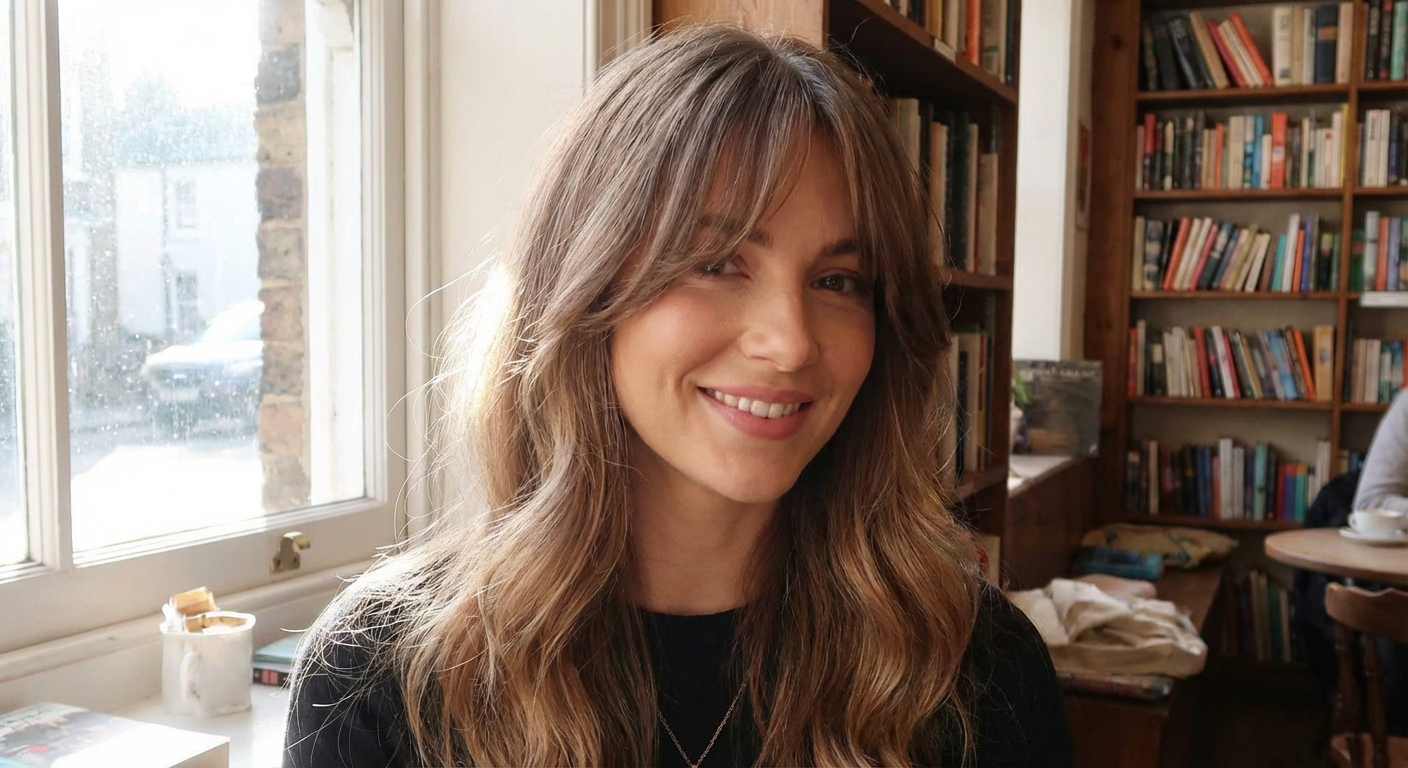
The world of hairstyling is cyclical, frequently revisiting iconic eras to find inspiration for modern aesthetics. Among the most enduring renaissances is the “curtain bang.” Originally popularised in the 1960s and 70s by icons like Brigitte Bardot, this soft, face-framing fringe has reclaimed its status as the most requested salon service worldwide. Unlike the blunt, high-maintenance bangs of the early 2000s, curtain bangs offer a feathered, effortless look that bridges the gap between a standard fringe and long layers.
What Exactly Are Curtain Bangs?
Curtain bangs are a type of fringe that is parted down the middle, framing each side of the face like a pair of curtains pulled back from a window. They are typically shorter in the centre and gradually taper into longer sections that blend seamlessly into the rest of the hair. The hallmark of a true curtain bang is its “shaggy” texture and its ability to appear lived-in rather than strictly structured.
Because they are cut at an angle, they lack the harshness of a straight-across fringe. This diagonal line draws the eye toward the cheekbones and eyes, creating a natural contouring effect that enhances the wearer’s facial features without the need for heavy makeup.
![Image Placeholder: A close-up of soft, blonde curtain bangs parted in the middle, framing the cheekbones.]
Why They Are the Ultimate “Low-Stakes” Haircut
One of the primary reasons for the explosion in popularity of curtain bangs is their low-commitment nature. For many individuals, the fear of “fringe regret” is real. Traditional bangs require frequent trims and a specific styling routine. Curtain bangs, however, are the “gateway” to shorter hair.
If you decide you no longer want them, the grow-out phase is remarkably graceful. Because they are already integrated into layers, they simply become face-framing tendrils within a few months. Furthermore, they are incredibly versatile; they can be tucked behind the ears or pinned back with ease, offering a level of flexibility that blunt bangs simply cannot provide.
Matching Curtain Bangs to Your Face Shape
The beauty of this style lies in its customisation. A skilled stylist will not use a “one-size-fits-all” approach but will instead tailor the length and volume to your specific facial structure.
- Round Faces: To elongate the face, curtain bangs should be cut slightly longer—reaching the jawline or chin—to create a vertical line that slims the appearance of the cheeks.
- Square and Heart Shapes: Softer, wispy ends help to neutralise a strong jawline or a wider forehead. Keeping the centre of the fringe shorter helps to draw attention upward toward the eyes.
- Oval Faces: This shape can carry almost any variation, but a cheekbone-length cut is particularly striking for highlighting the bone structure.
![Image Placeholder: A collage showing curtain bangs on various face shapes: round, oval, and heart-shaped.]
Styling Techniques for the Perfect “S-Shape”
The “S-shape” is the coveted curve that makes curtain bangs look voluminous and polished. Achieving this look requires a blend of the right tools and a bit of technique.
The Blow-Dry Method:
The most effective way to style curtain bangs is using a medium-sized round brush. While the hair is damp, wrap the bangs around the brush, directing them away from the face. Aim the hairdryer downward on the brush to minimise frizz. Once dry, let the hair cool on the brush for a few seconds to set the shape. When you release the brush, the hair will fall into a perfect, bouncy “curtain” effect.
The Flat Iron Shortcut:
For those who find round-brushing difficult, a flat iron can achieve a similar result. Take a section of the bangs, clamp the iron near the root, and twist it away from your face in a “C” motion. This creates a soft flip at the ends that mimics a professional blowout.
Texture and Finish:
To maintain the “humanised,” effortless feel of the style, avoid heavy waxes or gels. A lightweight volumising mousse applied to damp hair provides the necessary lift at the root, while a dry texturising spray on finished hair adds the “cool-girl” grit that keeps the bangs from looking too “done.”
Maintenance and Professional Upkeep
While curtain bangs are lower maintenance than blunt fringes, they still require some attention to look their best. On average, a “bang trim” every 6 to 8 weeks will keep the length from obscuring your vision or losing its intended shape. Many salons offer complimentary or low-cost fringe trims between full appointments to help clients maintain the look.
For daily maintenance, curtain bangs are prone to becoming oily faster than the rest of the hair because they sit against the forehead. A quick hack is to wash only the bangs in the sink with a drop of shampoo, or to utilise a high-quality dry shampoo to refresh the roots and maintain volume throughout the day.
![Image Placeholder: A woman using a round brush and hairdryer to style her curtain bangs away from her face.]
Integrating Curtain Bangs with Different Hair Textures
A common misconception is that curtain bangs only work on straight or slightly wavy hair. In reality, they are exceptionally beautiful on curly and coily textures.
- Curly Hair: When cutting curtain bangs on curls, it is vital to cut them while the hair is dry. This ensures the stylist can see exactly where the curl will “bounce” to, preventing the fringe from becoming too short. Curly curtain bangs add incredible volume to the top of the head and prevent the “triangle” shape that curly hair can sometimes take on.
- Fine Hair: For those with thinner strands, curtain bangs can create the illusion of thickness. By taking a slightly deeper section of hair from the crown to create the fringe, the hair appears more dense and voluminous.
- Thick Hair: Heavy-duty thinning shears are often used to “weight-strip” the bangs, ensuring they flow softly rather than sitting as a heavy block of hair.
The Psychological Impact of a Hair Change
There is a reason why “getting bangs” is a cultural trope for a fresh start. A hairstyle change, particularly one that frames the face so intimately, can significantly boost confidence. Curtain bangs offer a “soft” transformation—they change your look enough to be noticed and complimented, but they don’t require a total overhaul of your identity or your morning routine.
They represent a balance between vintage glamour and modern practicality. Whether you are wearing your hair in a messy bun, a sleek ponytail, or loose beach waves, curtain bangs add a level of intentionality to the style. They make even the most casual “lazy day” hairstyle look curated and chic.
Conclusion
Curtain bangs are more than just a fleeting TikTok trend; they are a classic hair element that has stood the test of time due to their universal appeal and versatility. By understanding your face shape, mastering a simple styling routine, and communicating effectively with your stylist, you can achieve a look that is both timeless and trendy. If you have been looking for a way to refresh your appearance without sacrificing your length, the curtain bang is the perfect solution—a soft, feathered frame for the modern world.
