

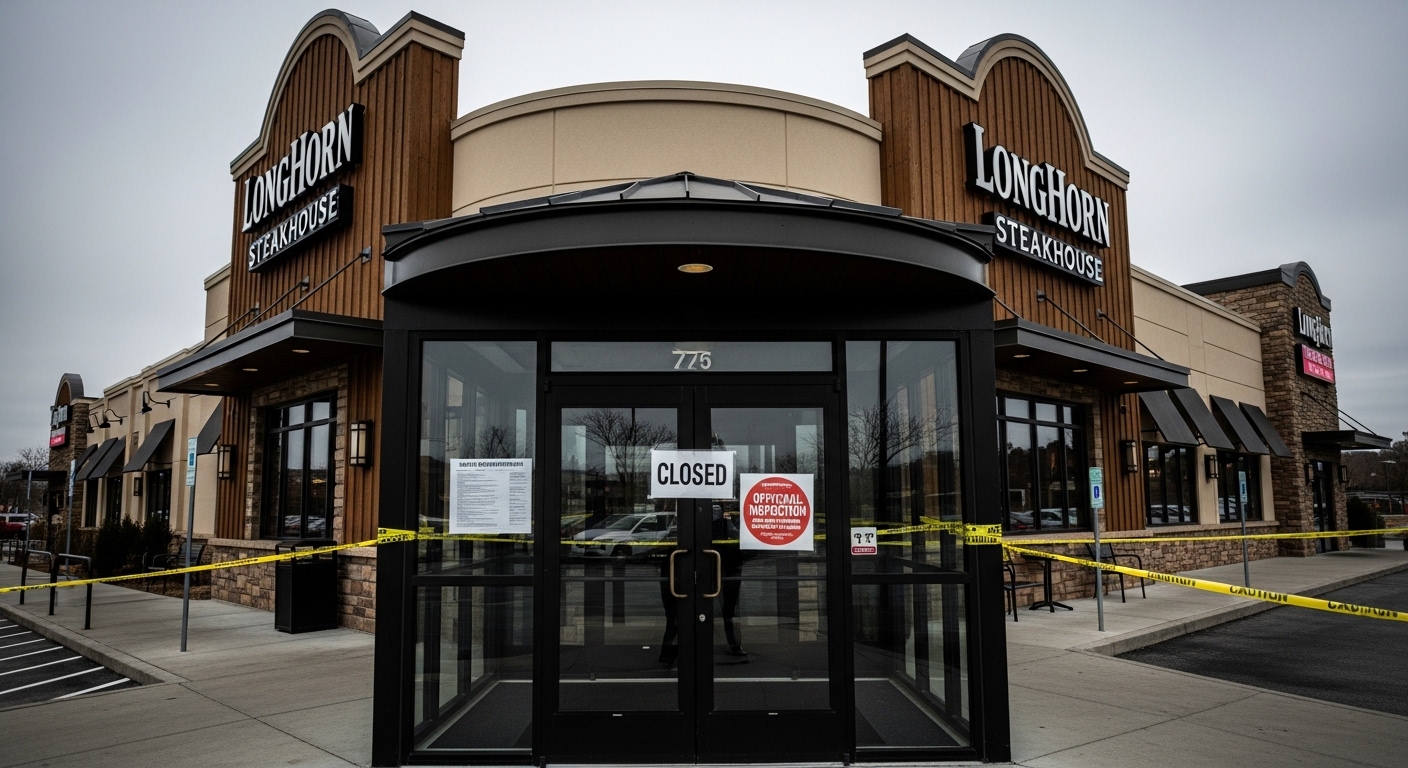
The hospitality industry operates on a foundation of trust regarding food safety and sanitation. Recently, this trust was tested as a prominent Longhorn Steakhouse location was forced to suspend operations following a routine health inspection. The closure has sparked significant discussion among regular patrons and highlights the rigorous standards enforced by local health departments to ensure public safety.
The Inspection Findings
According to official reports, the closure was mandated after inspectors identified several high-priority violations that posed an immediate risk to public health. While specific details can vary by jurisdiction, inspections of this nature typically focus on critical areas such as temperature control for perishable meats, cross-contamination prevention, and the presence of pests. In this specific instance, the “failed” status was triggered by issues that could not be corrected on-site during the duration of the inspector’s visit, necessitating a formal cessation of service.
Operational Response
In response to the temporary shutdown, Longhorn Steakhouse management typically initiates a comprehensive deep-cleaning protocol. Corporate spokespersons often emphasize that such incidents do not reflect the brand’s global standards. To regain their license to operate, the specific branch must undergo a follow-up inspection to verify that every cited violation has been remediated. This process often includes staff retraining on hygiene protocols and the repair of any faulty refrigeration or sanitation equipment.
Impact on the Community and Brand
For a high-traffic franchise like Longhorn Steakhouse, a public closure can have immediate financial and reputational repercussions. Local diners, who often frequent the establishment for its consistency, are left seeking alternatives while the facility remains dark. However, health officials stress that these enforcement actions are a vital part of the regulatory ecosystem, designed to prevent foodborne illness outbreaks before they occur.
Looking Ahead
The path to reopening requires a “zero-violation” report from the health department. Once the establishment demonstrates full compliance with state and local food codes, the doors will reopen to the public. For consumers, the incident serves as a reminder of the importance of health transparency, while for the restaurant, it provides a rigorous blueprint for maintaining the high operational standards expected of a national steakhouse chain.
