

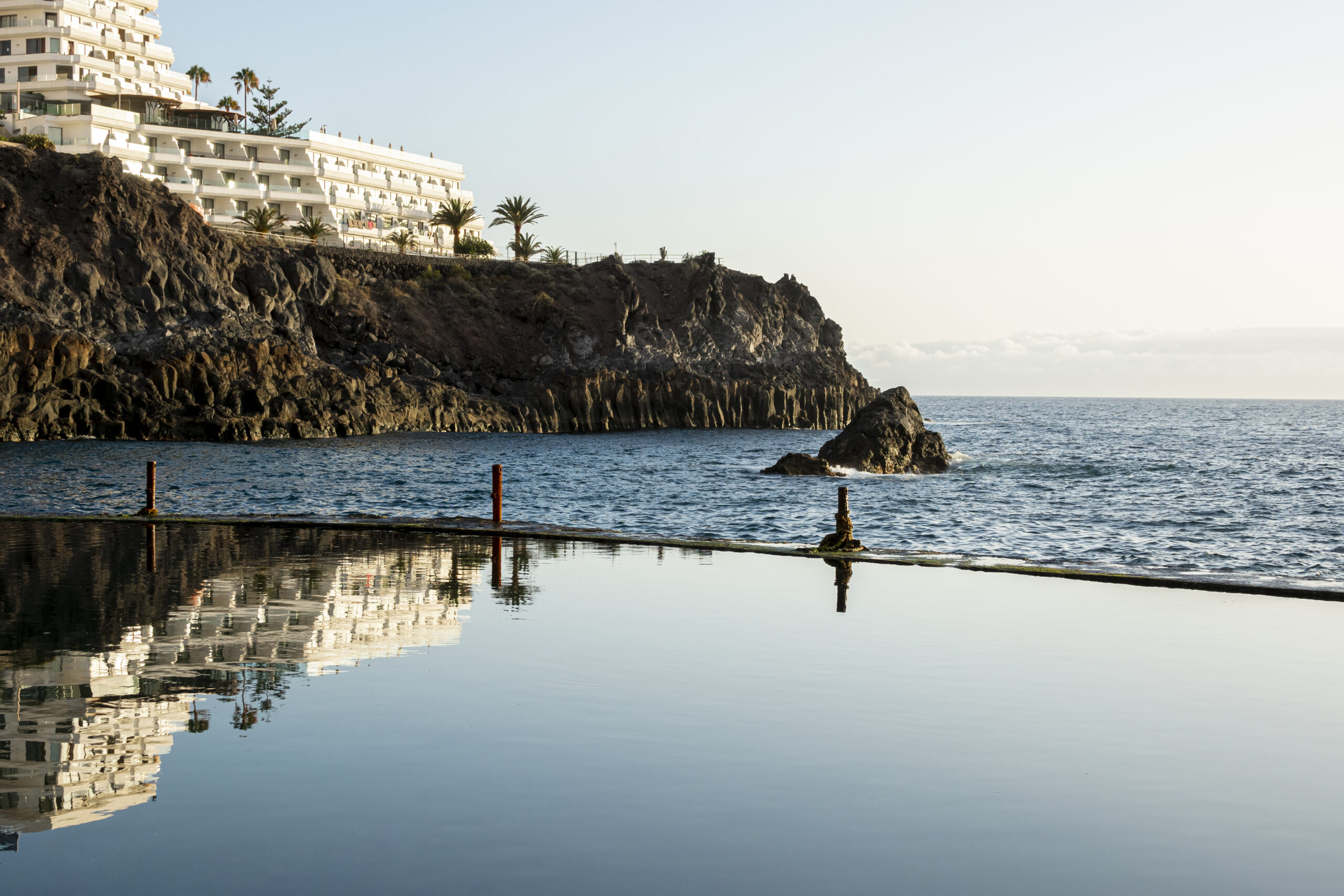
Perched at the northernmost tip of the Palos Verdes Peninsula, where the rugged cliffs meet the shimmering expanse of the Santa Monica Bay, lies Malaga Cove. More than just a geographical location, Malaga Cove serves as the historic and aesthetic heart of Palos Verdes Estates. Developed in the 1920s with a vision of creating a Mediterranean paradise on the California coast, it remains one of the most picturesque and preserved communities in the United States. This article explores the unique charm, historical significance, and natural beauty that define this coastal sanctuary.
The Architectural Vision of the Plaza
At the center of the community is the Malaga Cove Plaza, the first business district built in Palos Verdes Estates. Designed by architects Webber, Staunton, and Spaulding, the plaza is a masterclass in Spanish Colonial Revival architecture. With its red-tiled roofs, arched walkways, and hand-painted tiles, the plaza transports visitors to a sun-drenched village in Andalusia or the Italian Riviera.
The centerpiece of the plaza is the iconic Neptune Fountain. A replica of a 16th-century fountain in Bologna, Italy, it was donated to the city in 1930. The fountain, featuring the Roman god of the sea surrounded by cherubs and dolphins, serves as a testament to the community’s commitment to art and classical beauty. Surrounding the fountain are the historic Malaga Cove Library and a collection of boutique shops and cafes that have served residents for generations.
The Natural Splendor of the Coastline
While the architecture is captivating, the natural landscape of Malaga Cove is the true protagonist. The area is defined by “The Hill“—the dramatic ascent of the Palos Verdes Peninsula. From the bluff tops, visitors are treated to “The Queen’s Necklace,” a breathtaking panoramic view of the coastline stretching from the cove all the way to Malibu, illuminated at night like a string of sparkling jewels.
The descent to the water is via a winding path known as the “Haggarty’s” trail, named after the JJ Haggarty estate that once overlooked the surf. The beach itself is a crescent of soft sand and rocky tide pools. Unlike the sprawling, crowded beaches of Santa Monica or Huntington, Malaga Cove offers a sense of seclusion. The turquoise waters are a haven for divers, kayakers, and surfers who come to ride the long, rolling “indicator” waves that break near the rocks.
A Sanctuary for Flora and Fauna
The environmental preservation of Malaga Cove is a point of pride for the local community. The bluffs are covered in coastal sage scrub and wildflowers, providing a habitat for the endangered Palos Verdes Blue butterfly. During the winter months, the high vantage points of the cove become premier locations for whale watching. Gray whales can often be seen breaching offshore as they migrate south to the lagoons of Baja California.
The tide pools at the base of the cliffs offer a microscopic look at marine life. At low tide, the receding Pacific reveals a vibrant ecosystem of sea anemones, hermit crabs, sea stars, and purple urchins. It is an outdoor classroom where nature remains undisturbed by the rapid urbanization seen elsewhere in Los Angeles County.
The Spirit of the Community
Life in Malaga Cove moves at a different pace. The absence of streetlights—a deliberate choice to preserve the night skies—and the lack of commercial sprawl contribute to an atmosphere of timeless tranquility. The community is deeply rooted in its history, with many families having lived in the area for decades.
Cultural life often revolves around the Malaga Cove Library, a building so beautiful it is listed on the National Register of Historic Places. With its beamed ceilings and quiet garden courtyard, it serves as a communal living room. Throughout the summer, the Malaga Cove “Concerts in the Park” series brings residents together on the grassy slopes to enjoy music as the sun sets over the Pacific, reinforcing a sense of belonging that is rare in modern metropolitan areas.
Adventure and Recreation
For the active visitor, Malaga Cove is a gateway to some of the most scenic hiking and biking trails in Southern California. The Bluff Trail offers a relatively flat path with constant ocean views, perfect for a sunset stroll. For those seeking more intensity, the steep switchbacks leading down to the water provide a rigorous workout against a stunning backdrop.
Surfing at Malaga Cove is a tradition dating back to the early days of California surf culture. The “Right Point” break is legendary among locals, requiring a specific swell direction to truly come alive. Even on days when the waves are small, the cove is filled with paddleboarders gliding over the kelp forests, observing the giant orange Garibaldi fish swimming beneath them.
The Enduring Legacy of Malaga Cove
The brilliance of Malaga Cove lies in its resistance to change. While the rest of Southern California has evolved into a high-tech, fast-paced megalopolis, Malaga Cove has remained steadfast in its adherence to the original 1920s Olmsted Brothers’ master plan. The marriage of thoughtful Mediterranean design with the raw, rugged beauty of the California coast has created a location that feels both international and deeply local.
Whether you are a photographer capturing the light hitting the Neptune Fountain, a hiker exploring the bluff trails, or a resident enjoying the quiet serenity of the plaza, Malaga Cove offers a reprieve from the mundane. It is a reminder that when nature and architecture are treated with respect, they create a legacy that lasts for centuries.
Conclusion
Malaga Cove is not simply a destination; it is an experience of coastal elegance and historical preservation. It remains a hidden gem on the Palos Verdes Peninsula, offering a unique blend of European charm and West Coast naturalism. For those who seek beauty, history, and a connection to the sea, Malaga Cove stands as an enduring beacon of what makes the California coast truly extraordinary.
