

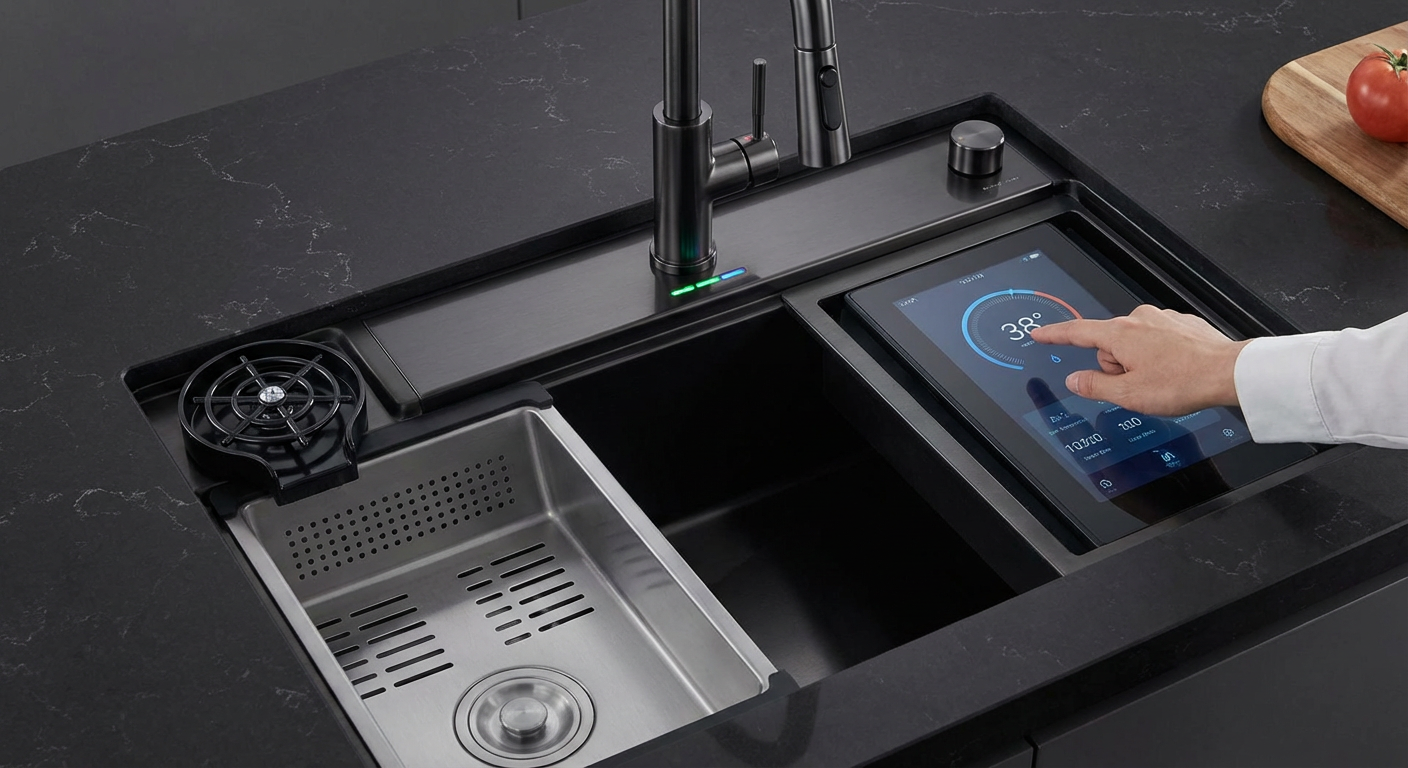
The kitchen has long been considered the heart of the home, but in the era of the Internet of Things (IoT), it is undergoing a digital transformation. While smart ovens and refrigerators often steal the spotlight, the most significant advancement in culinary efficiency is happening at the primary workstation: the sink. The modern “smart kitchen sink” is no longer just a basin for washing dishes; it is a sophisticated, multifunctional hub designed to enhance hygiene, conserve water, and streamline meal preparation.
Defining the Smart Kitchen Sink
At its core, a smart kitchen sink integrates advanced technology—ranging from motion sensors and temperature displays to high-tech filtration systems—directly into the plumbing and basin design. Unlike traditional sinks, which are passive fixtures, smart sinks are active participants in the cooking and cleaning process. They address common pain points such as cross-contamination, water wastage, and cluttered countertops by consolidating multiple tools into a single, intelligent interface.
The Pillar of Hygiene: Touchless Technology
One of the most prominent features of a smart kitchen sink is the motion-activated or voice-controlled faucet. In a busy kitchen, hands are often covered in raw poultry juices, dough, or grease. Traditional handles require physical contact, which spreads bacteria and requires constant cleaning.
Smart faucets utilize infrared sensors to detect the presence of hands or objects, triggering the flow of water instantly. More advanced models are compatible with smart home ecosystems like Amazon Alexa or Google Assistant. This allows users to issue commands such as, “Dispense exactly one liter of water at 40 degrees Celsius.” This precision not only aids in hygiene but also ensures accuracy in recipes, eliminating the need for measuring cups.
Precision Water Management and Sustainability
Sustainability is a driving force behind the adoption of smart kitchen technology. Smart sinks are equipped with high-efficiency aerators and flow controllers that maintain strong water pressure while reducing overall consumption.
Many models now feature integrated digital displays that monitor water usage in real-time. These systems can alert homeowners to potential leaks under the cabinet or if a faucet has been left running unintentionally. Furthermore, integrated instant-hot water dispensers and chilled filtered water taps reduce the reliance on bottled water and energy-intensive kettles, making the kitchen more eco-friendly.
The Workstation Concept: Beyond the Basin
The modern smart sink is frequently designed as a “workstation.” This means the sink features a tiered rim that accommodates various accessories, transforming the basin into a multi-level prep station. Typical components include:
- Integrated Cutting Boards: Sliding boards made of bamboo or composite materials that fit perfectly over the sink, allowing scraps to be pushed directly into the disposal.
- Colander Sets: Stainless steel inserts for rinsing vegetables without taking up counter space.
- Drying Racks: Roll-up or fixed racks that allow dishes to drip-dry directly into the drain.
- Glass Washers: High-pressure rinsers, similar to those found in professional bars, which can clean the inside of a glass or baby bottle in seconds with a simple press.
By centralizing these tasks, the smart kitchen sink reduces the “work triangle” distance, making the cooking process faster and more ergonomic.
Advanced Materials and Self-Cleaning Capabilities
Technological integration isn’t limited to electronics; it also extends to material science. Smart sinks often utilize hydrophobic coatings and nanotechnologies that repel water and prevent stains.
Some high-end smart sinks feature UV-C sterilization lights built into the basin or the drying area. This technology uses specific wavelengths of light to kill 99.9% of bacteria and viruses on surfaces and kitchen tools. Additionally, “smart” drains are now available that can automatically detect clogs or utilize ultrasonic vibrations to break down organic matter before it enters the pipes, reducing the need for harsh chemical cleaners.
Aesthetic Integration and Ambient Lighting
As open-concept living remains popular, the visual appeal of the kitchen sink has become more important. Smart sinks often include integrated LED lighting. While this provides a futuristic aesthetic, it also serves a functional purpose. “Smart” lighting can change color based on water temperature—blue for cold, purple for warm, and red for hot—acting as a visual safety cue for children and the elderly to prevent scalds.
The materials used are also evolving. While stainless steel remains a favorite for its durability, smart sinks are increasingly being crafted from granite composites and “fireclay” variants that are treated to be scratch-resistant and sound-dampening. This ensures that the high-tech kitchen remains a quiet, peaceful environment.
Installation and Considerations
Transitioning to a smart kitchen sink requires more than just a standard plumber. Because these systems often involve electrical components, sensors, and sometimes Wi-Fi connectivity, installation may require access to a power outlet under the sink (GFCI-protected).
Prospective buyers should also consider the “smart” ecosystem they already use. A faucet that works with Apple HomeKit may not offer the same features if the user is primarily on an Android platform. However, even without a broader smart home network, the standalone benefits of touchless operation and integrated workstations provide immediate value.
The Future of the Kitchen Sink
As artificial intelligence continues to advance, the future of the smart kitchen sink looks even more impressive. We can expect sinks that can analyze the nutritional content of vegetables as they are rinsed or systems that can detect microplastics and contaminants in the water supply with laboratory-grade precision.
The shift toward the smart kitchen sink represents a broader trend in home design: the move from “dumb” hardware to “intelligent” solutions. By automating the mundane aspects of cleaning and prep, these fixtures allow homeowners to focus on the creative and social aspects of cooking.
Conclusion
The smart kitchen sink is a testament to how thoughtful design and modern technology can elevate an everyday object. By prioritizing hygiene through touchless controls, efficiency through workstation accessories, and safety through thermal sensors, it has become an indispensable tool for the contemporary chef. As we continue to seek ways to make our homes more efficient and our lives easier, the smart sink stands out as a clear leader in the kitchen of tomorrow. Whether you are a culinary enthusiast or someone looking to simplify household chores, investing in a smart sink is a step toward a more functional, sustainable, and hygienic home.
