

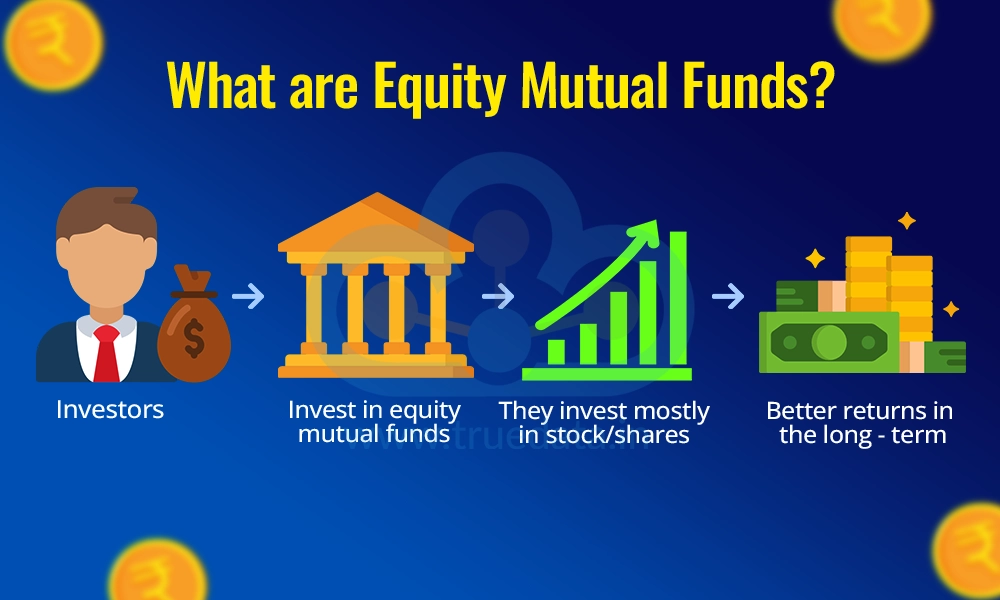
Did you ever wonder whether your equity portfolio is too aggressive or looks too safe? It’s ultimately the breakup of your portfolio that determines its returns and growth trajectory.
While equity funds can generate long-term wealth, the real strategy for investors is how they structure their equity portion. The mix of large-cap, mid-cap, small-cap, and sometimes sectoral or international funds can significantly influence your outcomes over the longer horizon.
An equity portfolio, when thoughtfully designed, delivers impressive returns and prevents excessive volatility. In this blog, we have discussed how investors with different expectations and risk tolerances must break up their equity portfolio.
Why Portfolio Breakup Matters in Equity Funds
A well-balanced portfolio of equity mutual funds helps you capture the growth from the market while addressing the risk factor. For instance, conservative investors might mostly choose large-caps, which can slow down the growth of their portfolio. On the other hand, excessive exposure to mid-caps can lead to wild swings.
Seasoned investors mix up different segments to benefit from consistent performance and smoother compounding across different market cycles. This approach also helps them refrain from emotional decision-making.
Large-Caps Are the Foundation
In most equity portfolios, large-cap funds form the foundations. These companies lead the market across various sectors and have strong balance sheets. They remain resilient during downturns and ensure liquidity.
After bear runs, large-cap funds recover faster. These stocks offer greater stability in turbulent times. Conservative investors usually allocate 30-40% of their equity to large-cap funds.
You can even choose low-cost index funds like Nifty 50 or Sensex-tracking funds, which form an efficient core. These stocks provide you with a broad exposure to the market without high expense ratios.
Mid-Cap Exposure for Growth
Mid-cap funds usually form 20-25% of equity portfolios. They balance aggressiveness and stability, building long-term wealth for investors. Mid-cap stocks benefit from rising opportunities in different sectors, along with better profitability.
Over a long horizon, these funds sometimes outperform large-caps. However, during market corrections, patience largely defines the financial resilience of investors. Therefore, including mid-cap funds in your portfolio can be a strategic choice while you stay away from the extreme volatility associated with small-caps.
Small-Cap Funds For High Growth
If you’re ready to take risks for high rewards, small-cap funds can deliver exceptional results. Many funds like Quant Small Cap Fund provide impressive growth over 7-10 years, but investors also experience sharp downturns. Usually, small caps constitute around 10% to 15% of the equity allocation.
Small caps shouldn’t dominate an idea portfolio. Instead, they are meant to boost your rewards. Since volatility tests patience, investors must cultivate discipline while putting their funds in small caps.
When to include Thematic, Sectoral, ELSS, or International Funds?
Once you have developed your core portfolio, consider fine-tuning diversification with some optional funds.
· Thematic or sectoral funds may compose 5% to 10% of the equity portfolio.
· ELSS funds come with some tax-saving benefits while helping you capitalise on equity growth.
· International funds reduce risks specific to your country and provide a global exposure.
A 5% to 15% exposure to these add-on funds is reasonable for your portfolio.
Conclusion
The right equity portfolio involves creating a strategic mix where the equation includes growth, risk, and stability. As an investor, identify your expectations and risk tolerance and decide on this mix. An ideal portfolio composition can help you achieve better outcomes in the long run. Adopt a disciplined approach and stick to your allocation. Let compounding and the money market do the needful to grow your portfolio.
