

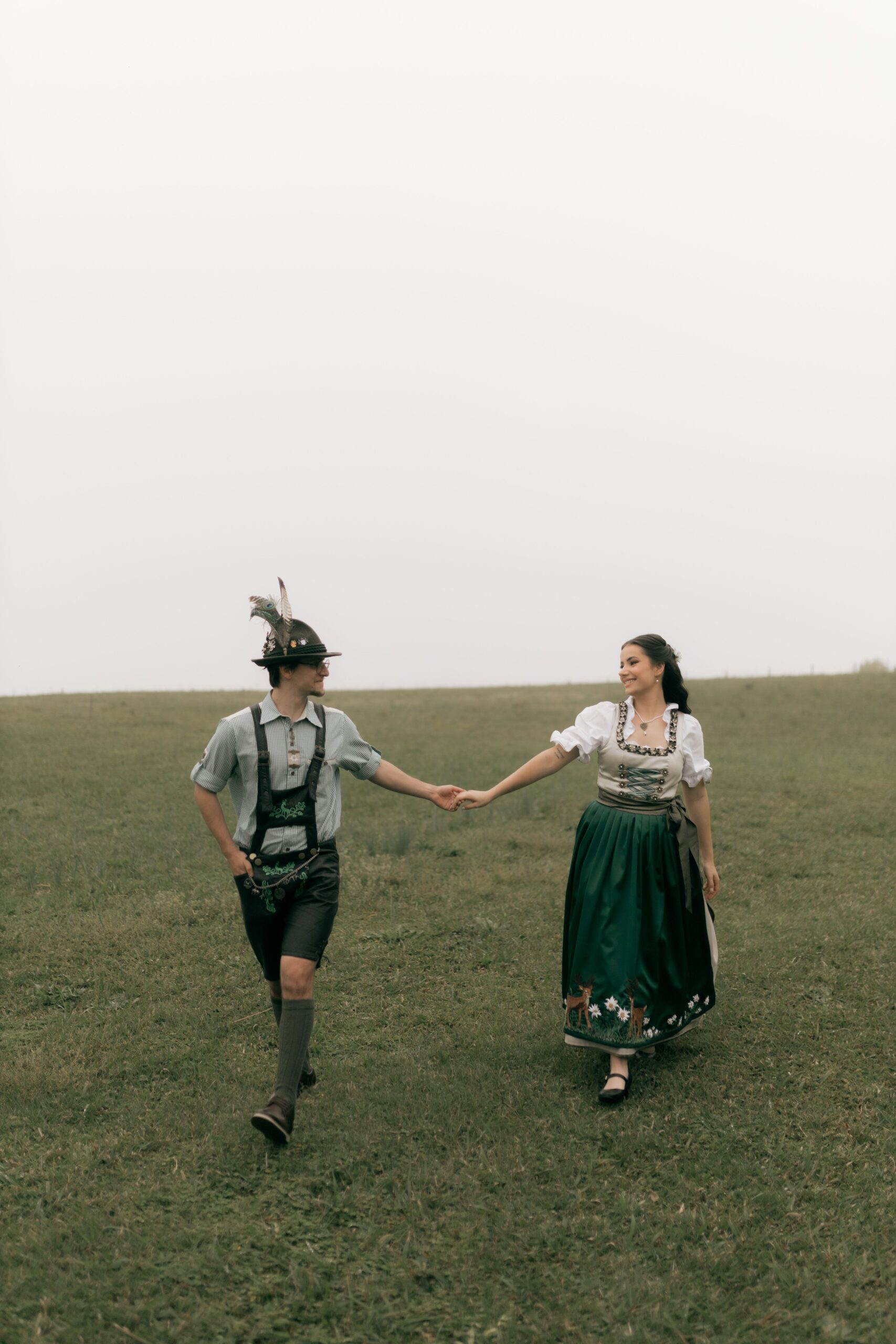
Fashion trends come and go, but some traditional outfits continue to capture people’s hearts for generations. One of the best examples is the traditional German dirndl, a dress that beautifully represents German heritage, culture, and craftsmanship. Although many people recognize it from Oktoberfest celebrations, the dirndl has a much deeper history that dates back hundreds of years.
Today, women around the world wear the traditional German dirndl not only during festivals but also at weddings, cultural events, family gatherings, and themed celebrations. Its elegant design, flattering fit, and timeless charm have made it one of the most recognizable traditional dresses in Europe.
The History Behind the Traditional German Dirndl
The traditional German dirndl originated in the Alpine regions of Germany and Austria during the 18th century. It was originally worn by women working on farms and in small villages because it was practical, comfortable, and durable enough for daily life.
Over time, the dress became more refined as designers introduced decorative embroidery, premium fabrics, and elegant details. What started as simple workwear gradually became a symbol of regional pride and cultural identity. Today, wearing a dirndl is a way of celebrating German traditions while embracing a style that has remained fashionable for centuries.
What Makes a Traditional German Dirndl Special?
A traditional German dirndl consists of four essential pieces that create its classic appearance.
The fitted bodice enhances the overall shape of the dress and provides its signature silhouette. Underneath the bodice, a white blouse with short puff sleeves adds a soft and feminine touch.
The skirt is usually full and comfortable, allowing easy movement while maintaining an elegant look. Completing the outfit is a beautifully designed apron tied around the waist, adding both style and tradition.
One interesting tradition involves the apron bow. In German culture, the side on which the bow is tied can indicate a woman’s relationship status. While many people still follow this custom, others simply tie it wherever they feel comfortable.
Popular Fabrics and Colors
Traditional German dirndls are available in various fabrics depending on the occasion. Cotton and linen are common choices for everyday wear, while velvet, silk, satin, and lace are often used for formal celebrations.
Classic colors such as deep green, navy blue, burgundy, red, black, and cream remain timeless favorites. Floral patterns and embroidered details add character without taking away from the authentic appearance of the dress.
Modern designers have also introduced pastel shades and contemporary prints, giving women more choices while preserving the traditional charm of the dirndl.
When Should You Wear a Traditional German Dirndl?
Although Oktoberfest is the event most commonly associated with the dirndl, it is far from the only occasion where this beautiful dress is appropriate.
Women proudly wear traditional German dirndls at folk festivals, weddings, Christmas markets, cultural celebrations, music festivals, regional fairs, and family events. In many parts of Bavaria, wearing traditional clothing is a meaningful way to honor local customs and heritage.
Outside Germany, the dirndl has also become popular among travelers and fashion enthusiasts who appreciate European culture and timeless designs.
How to Choose the Perfect Dirndl
Choosing the right dirndl is about more than selecting your favorite color. Comfort, quality, and fit all play important roles.
A properly fitted bodice should feel secure without being uncomfortable. The skirt length should suit both your height and the occasion. High-quality fabrics usually last longer and maintain their appearance after repeated use.
Simple accessories such as traditional shoes, delicate jewelry, and a matching handbag can complete the overall look without overpowering the dress. Many women also wear shawls or cardigans during cooler seasons for extra comfort.
Caring for Your Dirndl
A well-made traditional German dirndl can last for many years when cared for properly.
Always check the care instructions before washing. Delicate fabrics often require hand washing or professional dry cleaning. Store the dress on a quality hanger to help maintain its shape, and iron it carefully using the recommended temperature.
Taking good care of your dirndl helps preserve its beauty for future celebrations and special occasions.
Why the Traditional German Dirndl Remains Popular
The traditional German dirndl continues to be admired because it combines history, elegance, and cultural pride in one beautiful outfit. Unlike fast fashion trends that quickly disappear, the dirndl has remained relevant for centuries.
Its flattering design suits women of different ages and body types, making it a versatile choice for many occasions. At the same time, each dirndl tells a story about German traditions, skilled craftsmanship, and regional heritage.
Whether you are attending Oktoberfest, celebrating a cultural festival, or simply exploring traditional European fashion, a dirndl offers a unique combination of authenticity and timeless style.
Final Thoughts
The traditional German dirndl is much more than a festival outfit. It represents centuries of history, craftsmanship, and cultural identity while continuing to inspire modern fashion lovers around the world. From its elegant silhouette to its meaningful traditions, every detail reflects the beauty of German heritage.
If you are looking for a dress that combines tradition with sophistication, the traditional German dirndl is a wonderful choice. Its classic design ensures that it will remain stylish for years to come, making it a valuable addition to any wardrobe and a perfect way to celebrate one of Europe’s most beloved cultural traditions.
